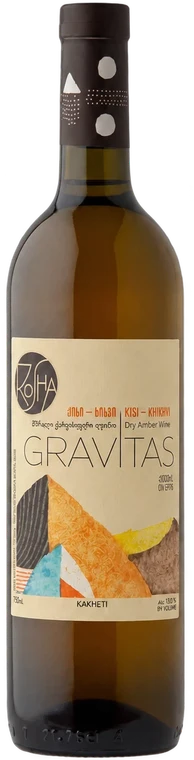
When we began making wine in Kvareli in 2016, we wanted to take part in the revival of Kakheti’s older grape varieties. Kisi had declined during the years when Soviet winemaking favored Rkatsiteli. We had Kisi and Khikhvi growing in the same vineyard. We loved Kisi’s delicacy and thought Khikhvi could give it the strength it needed. We fermented them together in qvevri, and that became Gravitas.
For Rosha founder Sandro Jandieri, making wine in Kvareli was a way to take an active part in the revival of Georgia’s qvevri culture through hands-on winemaking. He had spent years writing about and filming Georgian wine and was one of the founding members of the Georgian Wine Club. Over time, the work in Kvareli also became a gradual return to his family’s roots in Kakheti.
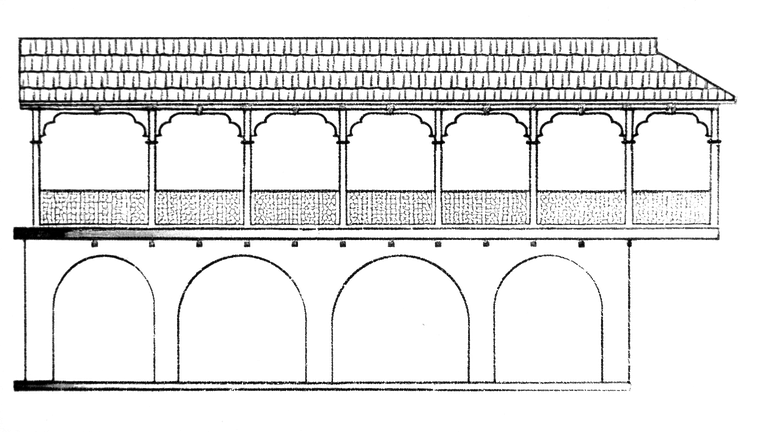
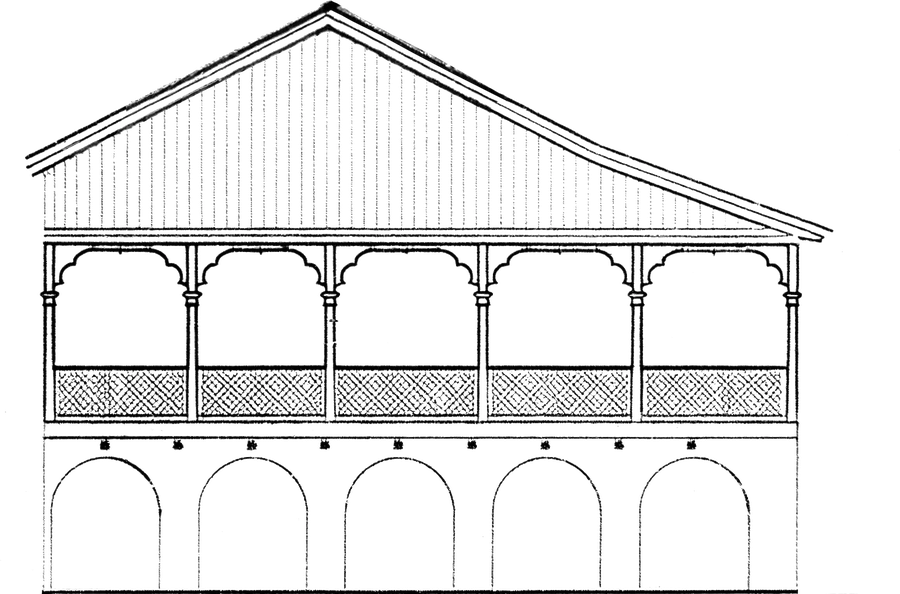
What began as an experiment in a family cellar has taken root in Kvareli. A decade on, we make our wines in a purpose-built marani, the Georgian word for wine cellar, with qvevri set into the floor.
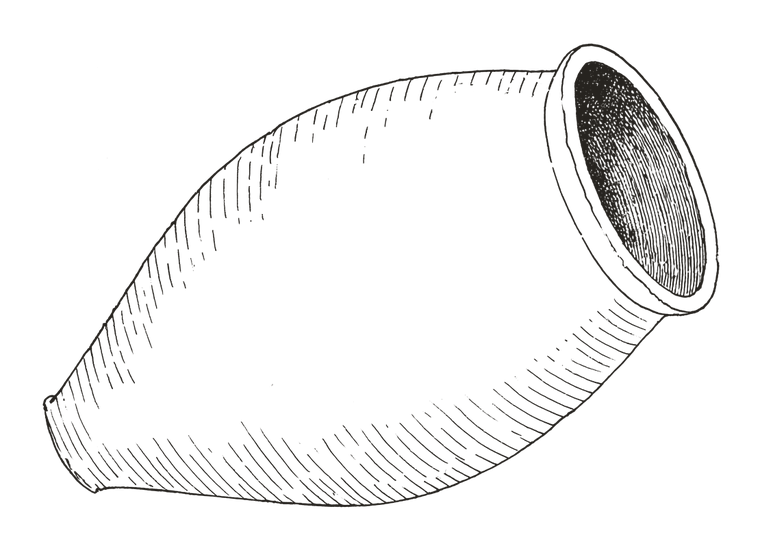
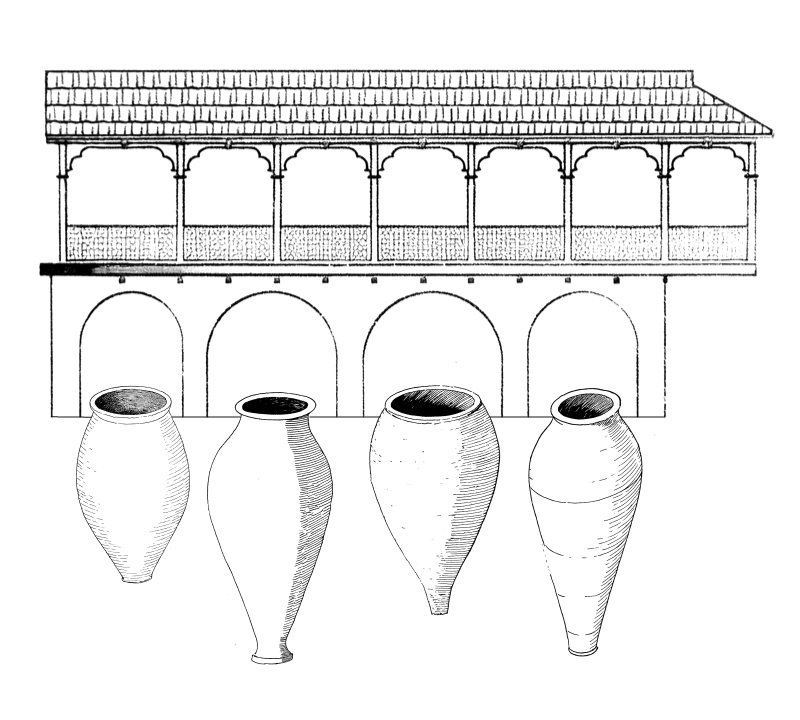
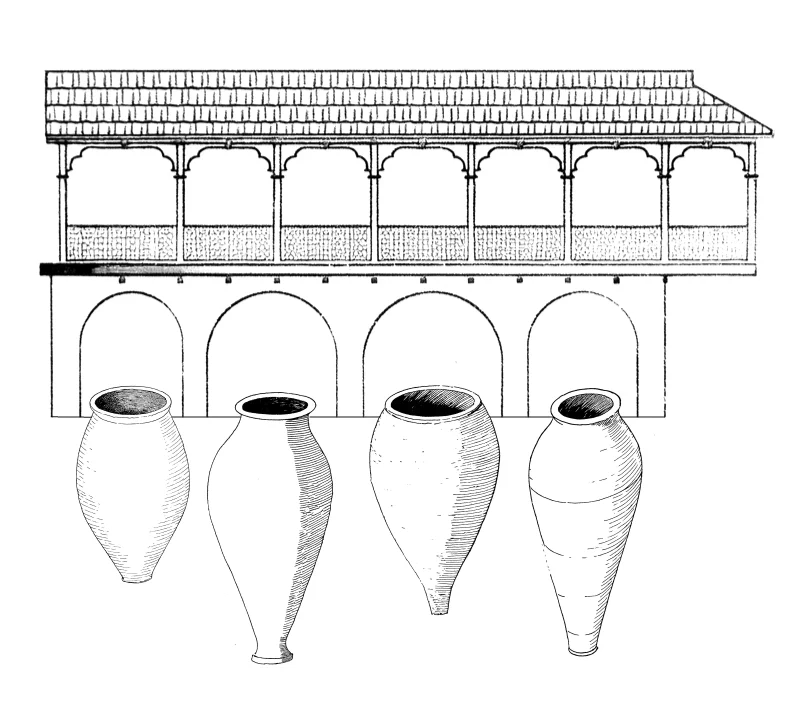
Qvevris
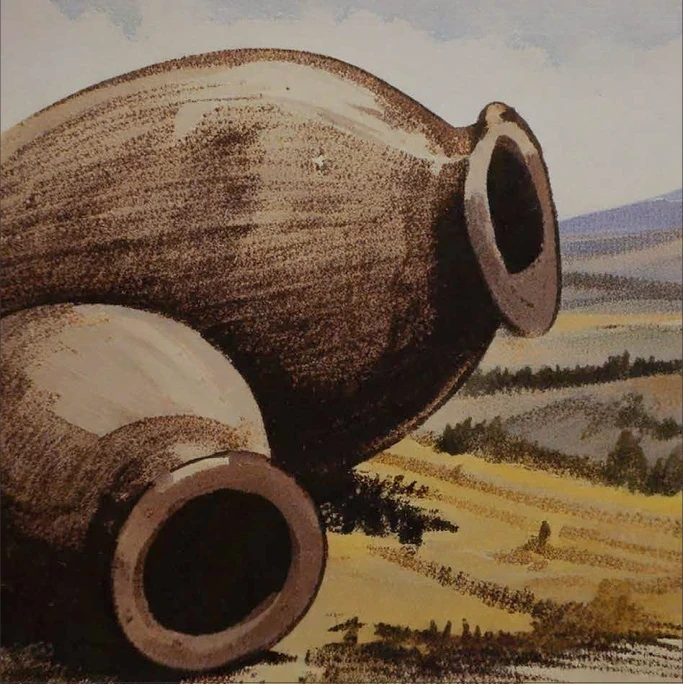
Seventeen qvevri are set into the floor of our marani in Kvareli. We gathered them from several sites over many years. One is believed to date to the eleventh century, the same century in which Alaverdi Cathedral was built.
We leave the interiors unwaxed so the wine comes into direct contact with the clay. Caring for bare clay takes more work, and that care is part of how we keep the tradition alive.
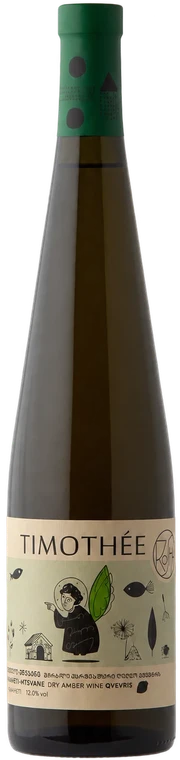
Timothée, our lightest amber wine, spends a few weeks on its skins. Gravitas spends months. It has the weight and structure you’d expect, and a lightness that can still take you by surprise.
For us, Georgian hospitality means making time for a guest, sitting down together and pouring a glass of wine. At the same time, Rosha is a working winery, and our availability for visits varies with the season. If you’re coming to Kvareli, write to us and we’ll see whether we can welcome you at the marani.
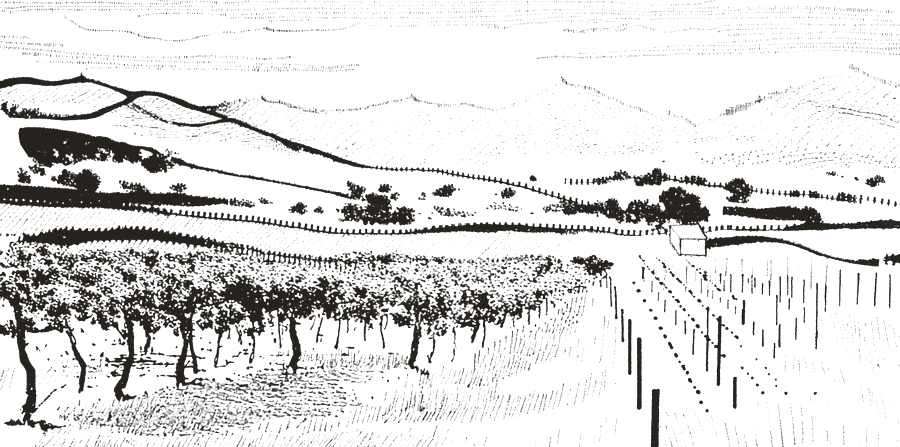
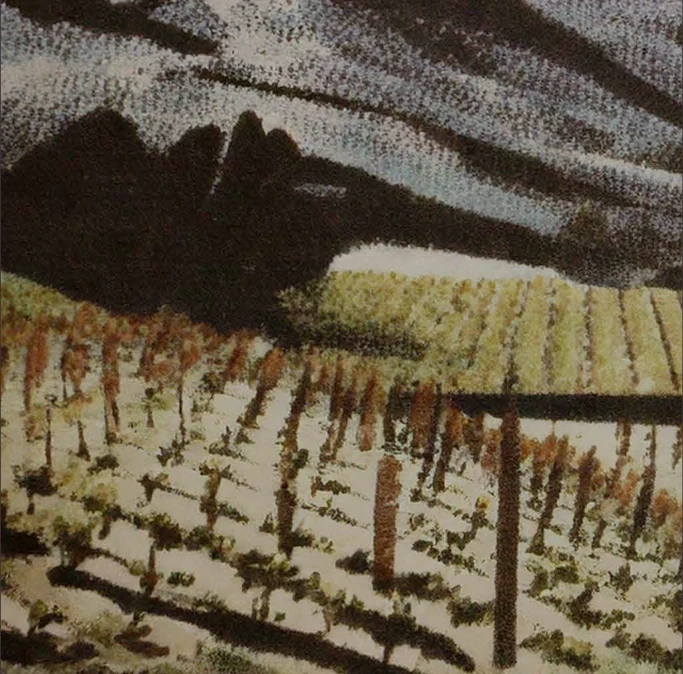
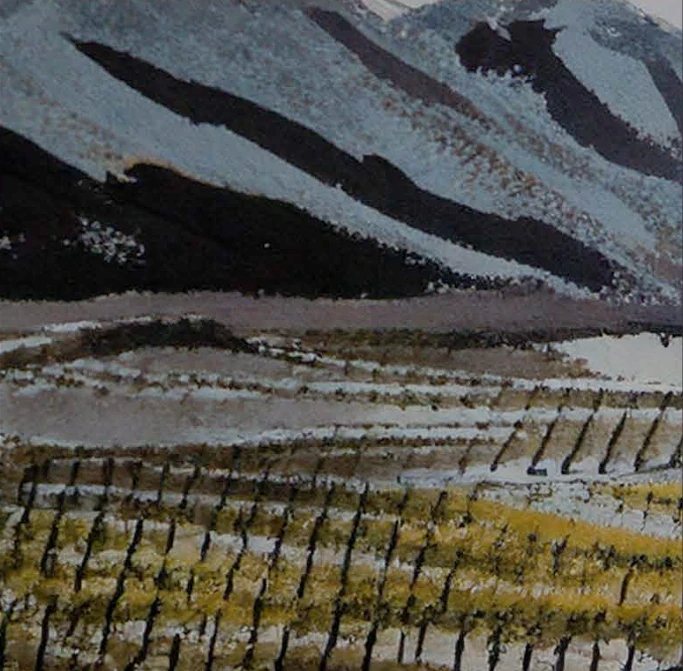
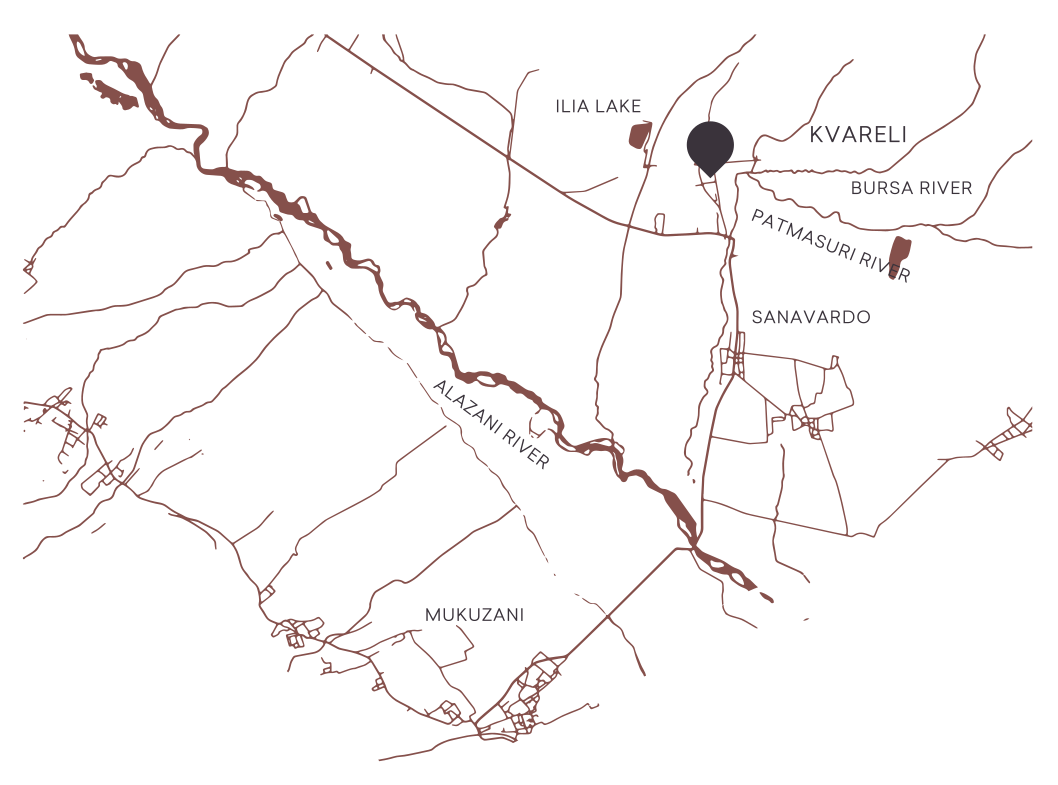
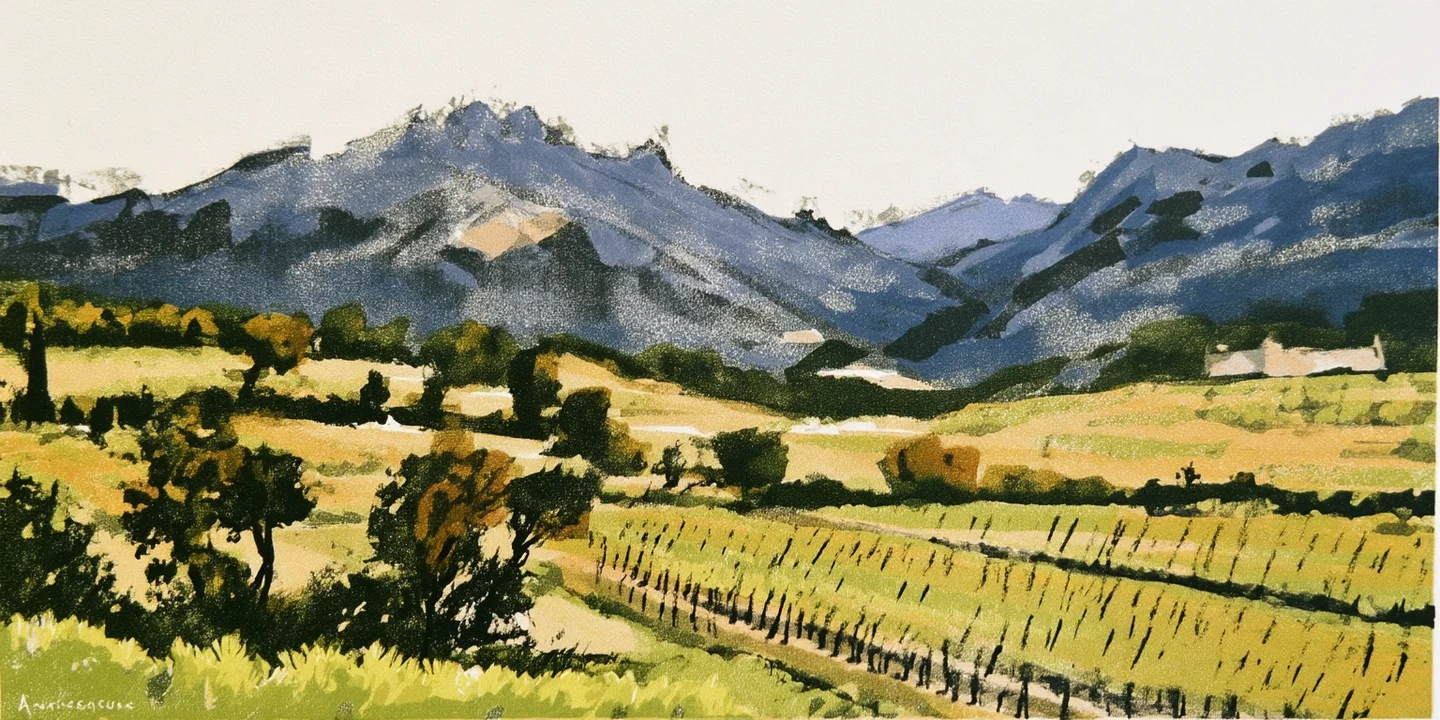
Our vineyards cover nine hectares in the foothills above Kvareli, between the Bursa and Duruji rivers, at around 450 metres. River stones lie deep in the sandy loam, helping water drain. Air moves through the vineyards from the Alazani Valley, and cool nights help the grapes retain acidity as they ripen.
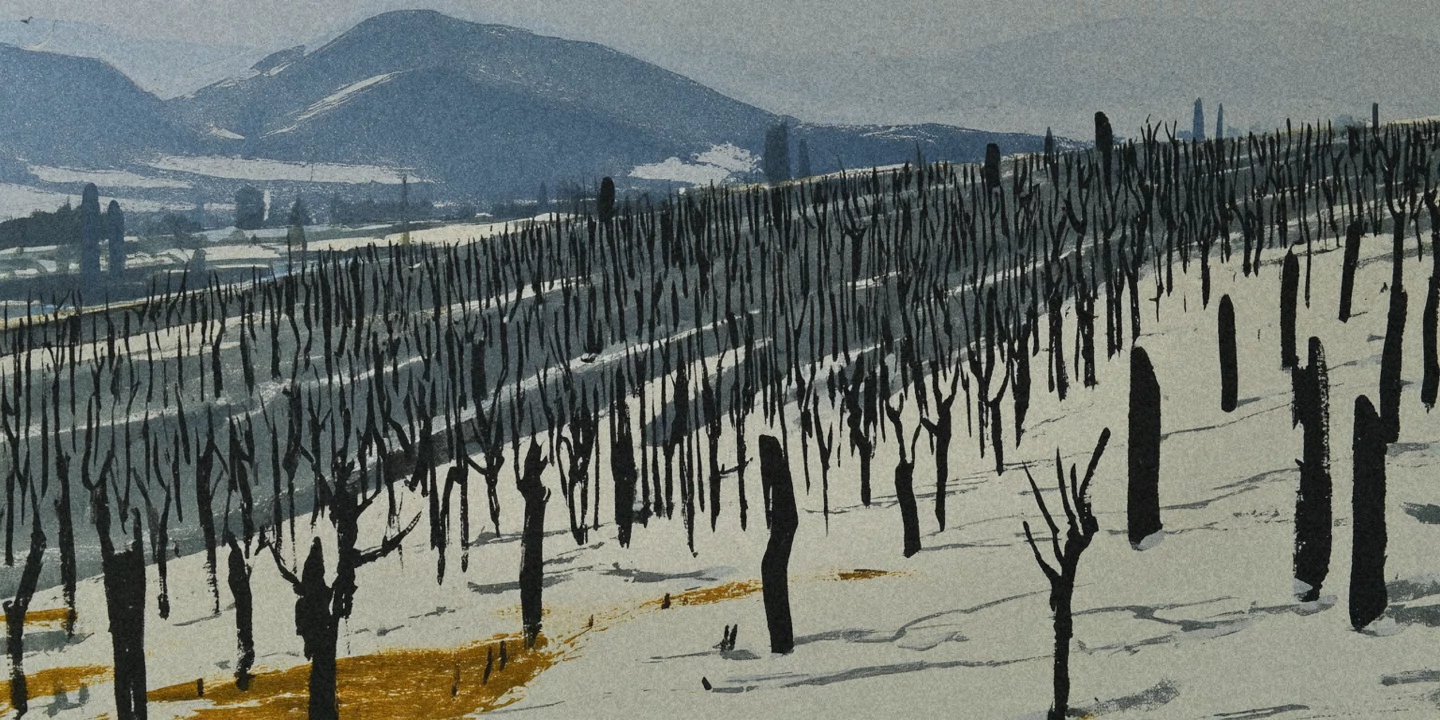
Some vines date to the Soviet years. Others were planted in the early years of Georgia’s independence. Both periods are still visible in the vineyard, and we value the depth and character we find in the fruit of those older vines.
Work in the vineyard
We keep grass between the rows to cover the soil and give insects a place to live. Where growth is dense, we thin shoots and leaves around the bunches. Yields are typically six to eight tonnes per hectare.
As the climate changes, we pay close attention to how much stress the vines can take. Saperavi is one of the more demanding varieties we grow. Our decisions about crop and canopy serve two purposes: keeping the vines healthy for years to come and bringing the grapes to ripeness with enough acidity to make wines that can age.
Gravitas shows the balance we’re after. Its Kisi and Khikhvi grow in the same vineyard. In the glass, the wine has weight and structure and still feels light on the palate.
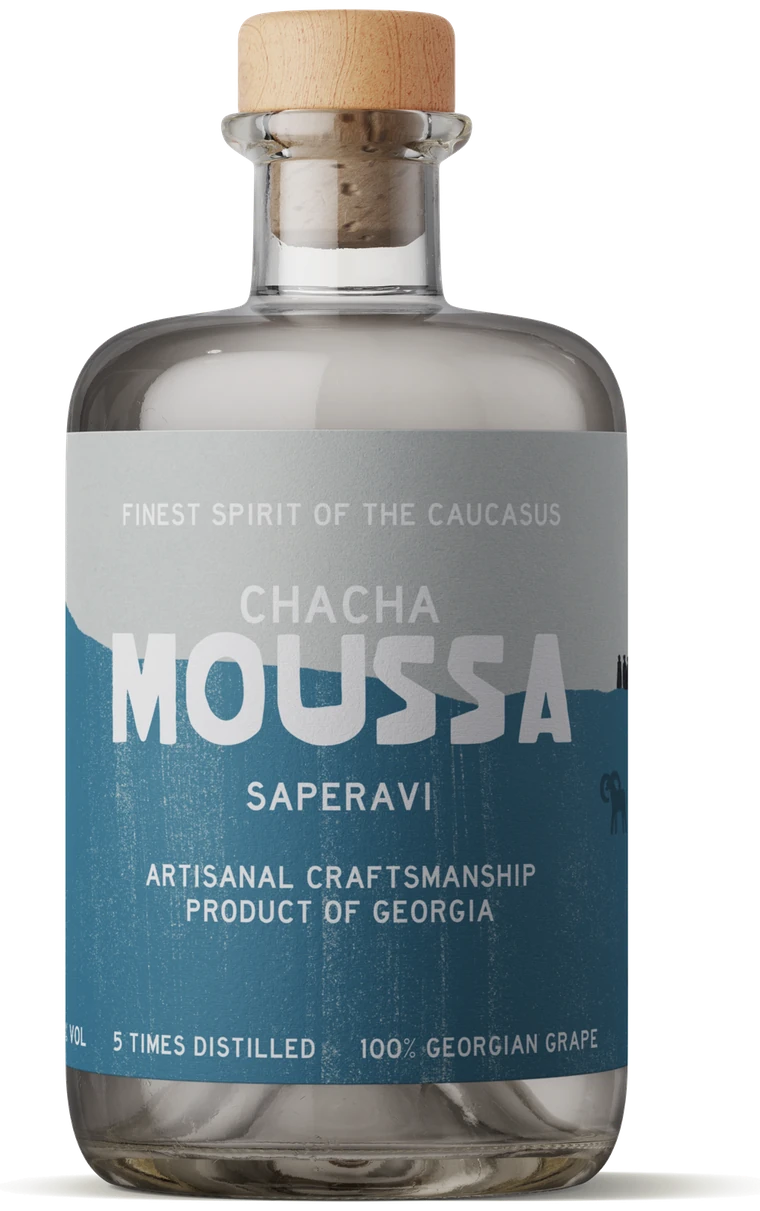
Spontaneous fermentation of Saperavi pomace in qvevri for 14–21 days.
Distillation
Five times distilled in small copper stills, retaining the heart cut.
Tasting notes
Appearance
Clear and colorless
Nose
Delicate, with a light herbal note
Palate
Smooth and full, with an invigorating finish
Serving temperature
10–12 °C
Welcome to Rosha!
We make qvevri wines in Kvareli, Kakheti. If you came to see us, we’d open a bottle of Gravitas.
Kisi and Khikhvi grow in the same vineyard, and we ferment them together. Gravitas smells of dried apricot and has a firm grip from the skins. The finish stays bright. In our finest wines, depth and freshness are in balance.
We gathered the qvevri in our marani over many years. One is believed to be about a thousand years old, and we still make wine in it. We leave our qvevri unwaxed. If we’re going to make wine in a vessel that old, we want the wine to touch the clay.
At our table, there’s room for a light amber with a little grip and a full-bodied Saperavi. For us, balance means you can feel the grip or the weight of the wine and still find enough freshness in the finish to want another sip.
Dig a metre down between our vines and you’ll still find river stones. We grow grapes in the foothills above Kvareli, between the Bursa and the Duruji. The stones help the sandy soil drain, and the cool nights help the grapes hold their acidity.
For wine orders, trade inquiries or winery visits, email contact@rosha.ge or use the form to open an email draft in your mail application.Email contact@rosha.ge or use the form to open an email draft in your mail application.Winery visits are by appointment only. Email contact@rosha.ge or use the form to open an email draft in your mail application.
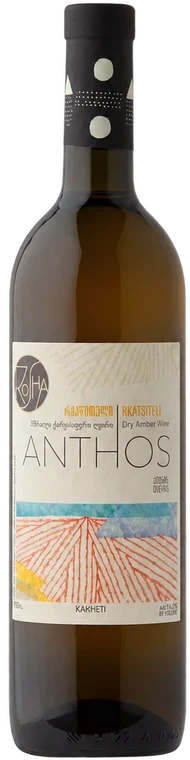
The blend follows the proportions of Tsinandali: 70% Rkatsiteli and 30% Mtsvane. We ferment the grapes together in qvevri, with three to four weeks on the skins. The wine spends about six months in qvevri in total.
Tasting notes
Pale gold, with apple, apricot and fresh spring herbs. Medium-bodied, with bright acidity and a long finish.
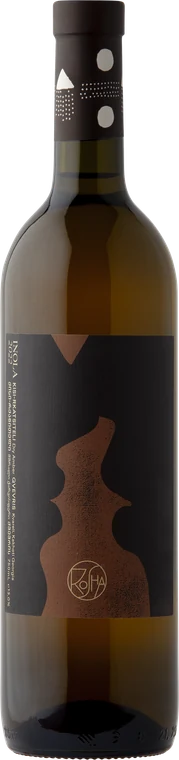
Inola is a light amber wine made from Rkatsiteli and Kisi. Gravitas made us curious about other unlikely pairings, and this one gave us a quiet note of black tea, like the first hint of October.
Tasting notes
Dried rose and a hint of black tea, with a light palate and a touch of spice on the finish.
Our flagship amber qvevri wine brings together equal parts Kisi and Khikhvi from a single vineyard in Kvareli. Kisi and Khikhvi make for a difficult marriage. We’ve made it work. It’s the bottle we’d open for guests who’ve come a long way.
Tasting notes
Quince, dried apricot and pine resin, with ripe mango in some older vintages. Rounded tannins, bright acidity and a long finish. The current vintage is medium-bodied, with a light touch.
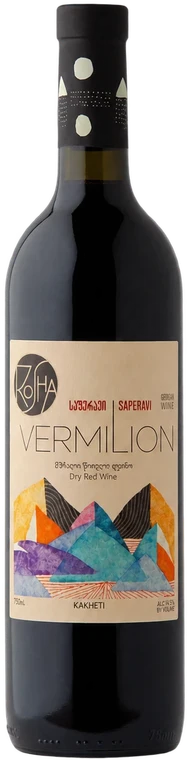
Dark fruit, leather and earth give Vermilion its savoury character. Medium-bodied, with smooth tannins and bright acidity that carries through the finish.


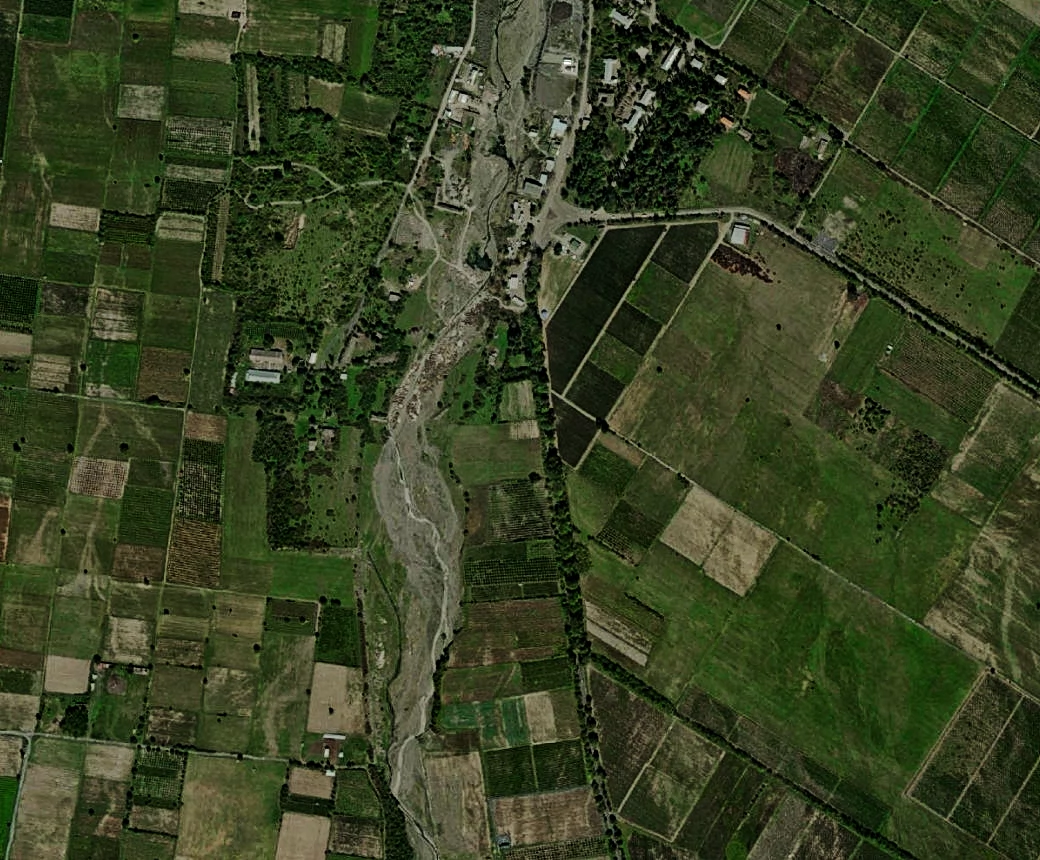 Imagery © Esri, Maxar, Earthstar Geographics and the GIS User Community
 Find out more about the winery